10 Practical Tips to Declutter Your Home for Mental Wellness
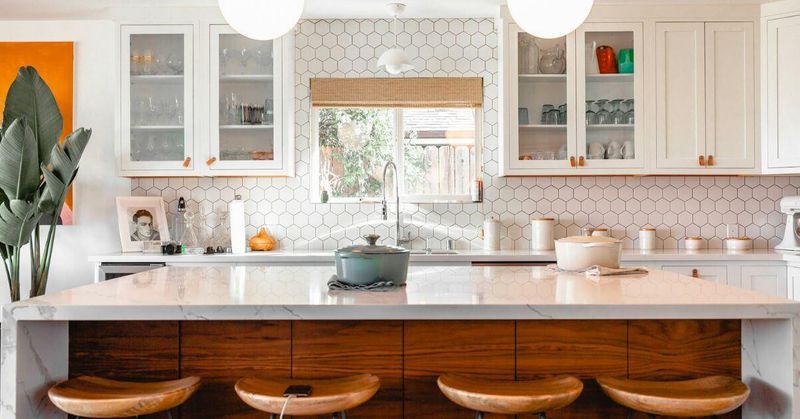
In a fast-paced world, our homes should serve as sanctuaries of calm and comfort. However, physical clutter can often disrupt that peace, contributing to stress, anxiety, and mental fatigue. Decluttering is more than just a task — it's a way to reclaim control over your environment and foster mental wellness.
The Connection Between Clutter and Mental Health
Research shows that cluttered environments can elevate stress levels, impede productivity, and even affect your sleep. Living in a tidy, organized space promotes a sense of calm and clarity, helping you feel more in control of your life. Understanding this connection is the first step toward making changes that positively impact your mental health.
10 Practical Tips to Declutter Your Space
1. Start Small with One Area
Begin with a manageable space like your kitchen counter, bedside table, or a single drawer. Completing small tasks builds momentum and prevents the overwhelming feeling that often comes with larger projects.
2. Use the One-In, One-Out Rule
To prevent new clutter, adopt the habit of removing one item from your home whenever you bring something new in. This rule can apply to everything from clothing to kitchen gadgets and helps maintain a balance.
3. Create Dedicated Spaces for Essentials
Assign specific spots for everyday items like keys, bags, and mail. This reduces the visual clutter that can accumulate on countertops and tables, making your home feel instantly more organized.
4. Tackle Digital Clutter
Digital clutter — like endless files, emails, and photos — can be just as mentally draining. Use Sortifyd to organize important documents and digital files into dedicated folders, keeping everything easily accessible and neatly sorted. Regularly clean up your devices by deleting duplicates, unsubscribing from unwanted emails, and maintaining an organized digital space to reduce stress and improve focus.
5. Declutter Sentimental Items Thoughtfully
Sentimental items can be the hardest to let go of. Keep only the pieces that truly bring you joy or hold significant memories. Consider photographing items you're not sure about parting with, so you can keep the memory without the physical space.
6. Embrace Multi-Functional Storage Solutions
Furniture that doubles as storage, like ottomans or coffee tables with compartments, helps keep your space tidy without compromising style. Multi-functional pieces are great for smaller homes and apartments where space is limited.
7. Establish a Donation Box
Keep a donation box in your closet or garage, and regularly add items you no longer use or need. Once the box is full, donate it to charity. This habit makes decluttering an ongoing process rather than a one-time event.
8. Set Up a Family Command Center
Designate a space in your home for organizing family activities, schedules, and important documents. Sortifyd serves as your digital command center, helping your entire family stay organized and reduce last-minute chaos.
9. Declutter Your Mind with a Routine
Regularly set aside time to review and organize your space, making decluttering a part of your weekly routine. Even 15 minutes a day can make a significant difference over time.
10. Celebrate Your Progress
Acknowledge the work you've done, no matter how small. Celebrating progress keeps you motivated and reinforces the habit of maintaining a clutter-free environment.
The Mental Health Benefits of a Clutter-Free Home
Decluttering your home is not just about aesthetics — it's about creating a space that supports your mental wellness. A tidy environment can reduce anxiety, improve focus, and create a sense of calm that permeates every aspect of your life.
Start with one small step today. Whether it's clearing a single drawer or organizing your digital files in Sortifyd, every action brings you closer to the peaceful, organized home you deserve.