The Important Things We Forget to Organize
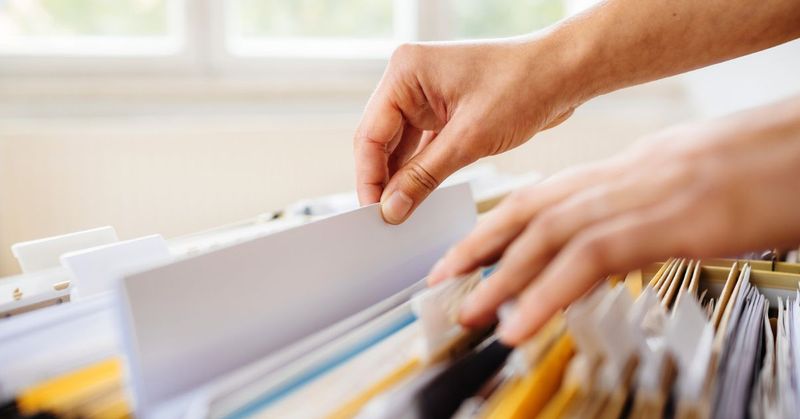
Most of us are reasonably good at keeping track of the things we use every day. We know where to find our keys, how to access our bank accounts, and which app holds our calendar.
But what about the things we only need occasionally?
The warranty for the washing machine. The insurance details for a family member. A copy of a passport. The name of the contractor who fixed the roof two years ago.
We know we have this information somewhere. At least, we're fairly sure we do.
The problem is that somewhere becomes a much less reassuring answer when we actually need it.
It's always there until you need it
Imagine arriving at a doctor's appointment and realizing you don't have the updated insurance card. Or standing in front of a broken appliance, trying to remember whether it's still under warranty.
Perhaps you're planning an international trip and discover that a passport expires sooner than you thought. Or you're trying to return something you purchased months ago, but can't remember where you saved the receipt.
None of these situations is necessarily a crisis. They're ordinary moments in everyday life.
Yet they can turn into surprisingly stressful experiences, not because the information doesn't exist, but because it isn't readily available.
And that's an important distinction.
We spend considerable effort organizing what we need to do. We spend far less time organizing what we might need to know.
The overlooked side of getting organized
When we think about being organized, calendars, to-do lists, and reminders usually come to mind. They're essential for managing the flow of daily life.
But there's another side of organization that often gets overlooked: keeping track of the information, documents, and details that support our lives.
Think about how much information a typical household accumulates over the years.
There are insurance policies, medical histories, vehicle records, home maintenance details, school information, financial documents, travel reservations, and countless other things.
Some arrive by email. Others are downloaded as PDFs, photographed on a phone, filed in a drawer, or saved to a computer.
Each has a perfectly reasonable place to live at the time. But as the years pass, remembering where everything went becomes its own challenge.
And the more people involved in a household, the more complicated that challenge can become.
The issue isn't necessarily that we're disorganized. It's that we've never had a compelling reason to bring these things together.
Until we do.
Preparedness is about everyday life, not just emergencies
The word preparedness often brings to mind emergency kits, evacuation plans, and worst-case scenarios.
Those things matter, of course. But being prepared is just as valuable in much more ordinary situations.
It's knowing the measurements of a room when you're shopping for furniture. Having your pet's vaccination records ready before a boarding appointment. Remembering a family member's clothing size when buying a gift. Knowing when a subscription renews or a vehicle registration expires.
And sometimes, preparedness matters when something genuinely unexpected happens.
Consider the challenge of documenting your belongings after a fire, flood, or theft. Would you remember the make and model of your electronics, the furniture you owned, or the details of valuable jewelry and other possessions?
Having an inventory, photographs, and purchase records prepared in advance can make an already difficult situation easier to navigate.
Preparedness doesn't mean anticipating every possible problem. That's neither realistic nor necessary.
It means making the information you already have easier to find, understand, and use.
And ideally, doing that before you're under pressure.
Start with what would be difficult to replace
Getting organized doesn't have to become another enormous project.
In fact, trying to organize every document and detail you've accumulated over the years is probably the fastest way to abandon the effort.
A better starting point is to ask a simple question:
If I needed something important tomorrow, what would I struggle to find?
For many households, a few categories are worth prioritizing:
- Health and medical: Insurance information, medications, allergies, vaccination records, and important healthcare contacts.
- Home and property: Insurance policies, appliance warranties, maintenance records, and an inventory of valuable belongings.
- Personal identification: Passports, identification documents, and important certificates.
- Vehicles: Registration, insurance, service history, and roadside assistance information.
- Family and dependents: School contacts, caregiver instructions, pet records, and other details someone else might need.
- Financial and legal: Important account information, retirement and investment accounts, insurance policies, tax records, and the location of essential legal documents.
- Shopping and purchases: Receipts, purchase records, warranties, and clothing sizes for family members.
You don't need to gather everything at once. Start with the information that would be hardest to retrieve when you need it.
Even a little progress can make a difference.
Make it useful for the people who depend on you
There's another question worth considering: What happens when someone else needs the information?
In many households, one person naturally becomes the keeper of certain details. They know which insurance policy is current, where the pet's records are stored, or who to call when something breaks.
That arrangement works well enough until that person is unavailable.
Maybe they're traveling. Maybe they're busy. Or perhaps someone else simply needs to handle a responsibility for a change.
Being organized shouldn't mean that everyone has to ask the same person for answers.
It means making the right information accessible to the right people, when they need it.
Of course, not everything should be shared. Personal documents, financial information, and sensitive records deserve appropriate privacy and protection.
The goal isn't to make everything available to everyone. It's to make important information accessible to the people who genuinely need it, without compromising control.
That's a different kind of household coordination, and one that can be just as valuable as sharing a calendar.
A little preparation creates lasting peace of mind
One of the most satisfying things about getting organized is that the benefits often appear long after the effort.
You might save an insurance document today and not think about it for another year. You might record an appliance's model number and forget about it until something needs repairing.
But when that moment comes, the work is already done.
Instead of searching through emails, drawers, and old files, you know where to look.
More importantly, you can focus on the situation itself rather than the scramble to find what you need.
That's the real value of being prepared. Not the satisfaction of having everything neatly categorized, but the freedom to get on with life.
Make room for the unexpected
Life doesn't always give us advance notice of what we'll need.
A routine appointment turns into a request for an old medical record. A planned trip reveals an expired document. A household repair requires information we haven't looked at in years.
We can't predict every situation, and we shouldn't have to.
But we can make it easier to respond when something comes up.
Start with a few important documents. Keep useful details together. Review them occasionally. Make sure the people who depend on you can access what they need.
You don't need a perfectly organized life to be well prepared.
You just need to make a few things easier for your future self.
Because the best time to organize something important is usually long before you need it.